Eco-Friendly Yarns: A Guide to Sustainable Crafting
Posted by Kelly Holtsclaw on Aug 3rd 2024
Are natural wool yarns eco-friendly?
Short answer: Yes—natural wool yarns can be a very eco-friendly choice when they’re thoughtfully sourced, well cared for, and used in projects that are meant to last.
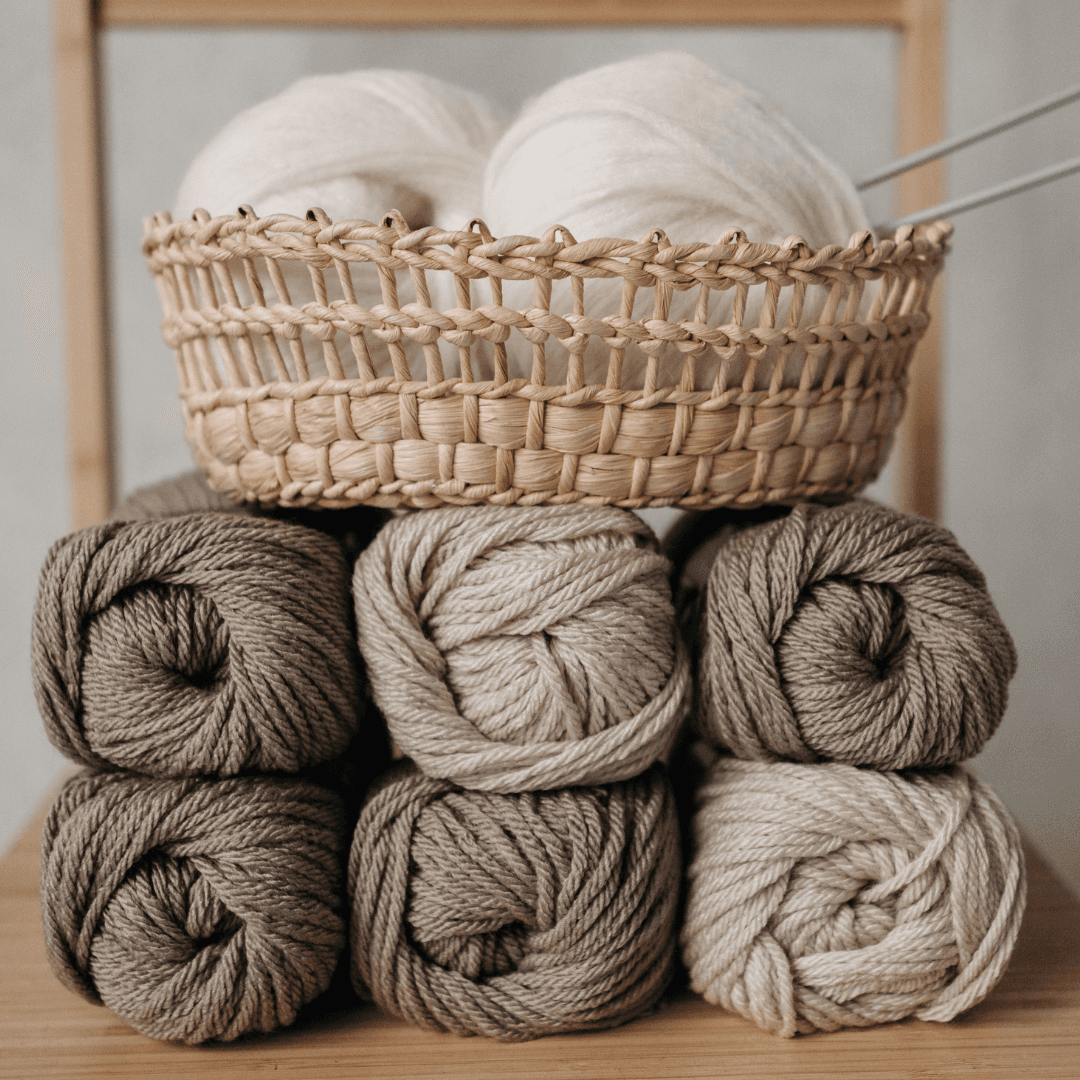
If you love beautiful fiber and also care about the planet, you’ve probably wondered: “Is wool yarn actually eco-friendly?” The good news is that natural wool can be a very sustainable option—especially when it comes from small farms, thoughtful mills, and makers who treat animals and land with care.
What makes wool more eco-friendly?
Not all yarn is created equal. Here are a few things that make a natural wool yarn more eco-conscious than most mass-produced options:
-
It comes from a renewable fiber. Sheep grow new fleece every year. When flocks are well-managed, wool is a renewable resource that doesn’t rely on fossil fuels the way acrylic and other synthetic yarns do.
-
It’s naturally biodegradable. 100% wool will eventually break down in the right conditions instead of lingering in landfills for decades like synthetic fibers. That means the sweater you love today won’t shed plastic into the environment tomorrow.
-
It’s often longer-wearing. Wool garments tend to be warm, breathable, and durable. A well-cared-for wool sweater can last for years—even decades—which means fewer fast-fashion replacements and less waste overall.
-
It can support small farms and mills. Many natural wool yarns come from smaller operations that focus on responsible grazing, better land stewardship, and humane animal care. When you choose these yarns, you’re supporting real people doing careful, intentional work.
How can you tell if a wool yarn is a better choice?
You don’t need a certification alphabet soup to make thoughtful choices. Here are a few simple questions to ask when you’re shopping for wool:
-
Is it mostly or entirely natural fiber? A yarn that’s 100% wool (or mostly wool blended with a small amount of nylon for strength) will behave very differently from one that’s mostly synthetic.
-
Who made it? Look for yarns from smaller mills, independent dyers, and farms that share how they care for their animals and land. When makers are proud of their process, they usually talk about it.
-
Will this yarn make something you’ll wear often? A wool that suits your climate, your skin sensitivity, and your wardrobe colors is far less likely to sit in a drawer. The most eco-friendly project is the one you actually use and love.
Where does handspun yarn fit into eco-friendly crafting?
Small-batch handspun yarn is a lovely option for knitters and crocheters who want to be more intentional. Each skein represents:
-
Careful fiber selection. Most handspinners are choosy about the wool they buy, paying attention to softness, crimp, and the way it was prepared.
-
Human-scale production. Handspun skips a lot of industrial steps. A spinner drafts, twists, and finishes each skein by hand, often in small batches instead of giant runs.
-
Projects that are meant to matter. Because handspun is special, it tends to be used in projects that are treasured, gifted, and worn with intention—not just tossed in a drawer.
At Forever Winding Wool, our handspun yarns are created in small batches. Colorways are carefully planned, fiber is chosen for feel and longevity, and each skein is finished so it’s ready for years of wear.
Simple ways to knit more sustainably
-
Choose quality over quantity. A few skeins of yarn you truly love and will use are better than a bin full of “maybe someday” purchases. High-quality wool that lasts is kinder to your wallet and the environment in the long run.
-
Use what you already have. Leftovers, partial skeins, or yarn from a project that never quite worked out can be turned into cozy accessories, scrappy shawls, or baby knits.
-
Care for your knits well. Washing gently, drying flat, and storing your wool away from moths means your favorite pieces will last for many seasons. The longer you wear something, the “greener” it becomes.
-
Support thoughtful makers. When you choose yarns from small businesses, independent dyers, and careful spinners, you’re directly supporting people who put time and care into every skein.
Knitting with nature in mind
Eco-friendly crafting doesn’t have to be complicated. Choosing natural wool yarns from thoughtful sources, working at a pace that feels good, and making projects you’ll truly use are all small steps that add up.
If you’re ready to explore beautiful, small-batch fibers, take a look at our handspun yarn collection. Each skein is designed to celebrate color, texture, and the simple joy of making something with your own two hands.
One project, one skein, one mindful choice at a time—that’s how we make our crafting a little kinder to the world around us. Happy stitching.